Homemade Marinara with Bison Meatballs & Spaghetti Squash

Updated: Sep 22
by Sally Rychlak

There are certain things that are almost always worth making from scratch, and marinara is one of them when you have good tomatoes on hand.
I made this with Roma tomatoes because they are meatier and less watery than a lot of other fresh tomatoes, which makes them perfect for homemade sauce.

Onion, plenty of garlic, tomato paste, oregano and fresh basil do most of the work here. I also add a little broth or water to help everything simmer together before using an immersion blender to turn it into a sauce.

The tomato paste is important. Letting it cook for a minute or two before adding the tomatoes gives the marinara a deeper, richer flavor without needing a long ingredient list or hours on the stove.

For the meatballs, I use lean ground bison and sear them before adding them to the marinara. You could technically cook them entirely in the sauce, but the extra few minutes of searing are worth it. You get that browned exterior and a lot more flavor, while finishing them gently in the marinara keeps them tender.
mix mix ready for the sear perfect
Serve everything over roasted spaghetti squash with plenty of fresh basil and a little Parmesan. It's cozy enough to scratch the spaghetti and meatballs itch, but packed with protein and vegetables and doesn't leave you feeling weighed down.

1
Don't skip cooking the tomato paste.
Giving it a minute or two in the pan before adding the fresh tomatoes adds a surprising amount of depth.
2
Broth or water both work.
Broth adds a little extra savory flavor, while water keeps the marinara completely tomato forward. Start with only 1/4 cup because the Roma tomatoes will release liquid as they cook.
3
Use the immersion blender after simmering.
The tomatoes need time to soften and concentrate before blending. You can make the sauce completely smooth or leave a little texture.
4
Sear the bison.
Bison is very lean, so browning the meatballs first gives you flavor you won't get from simply dropping them into the sauce raw.
5
Don't overcook the spaghetti squash.
Pull it while the strands still have a little bite. It will hold up much better underneath the marinara.
6
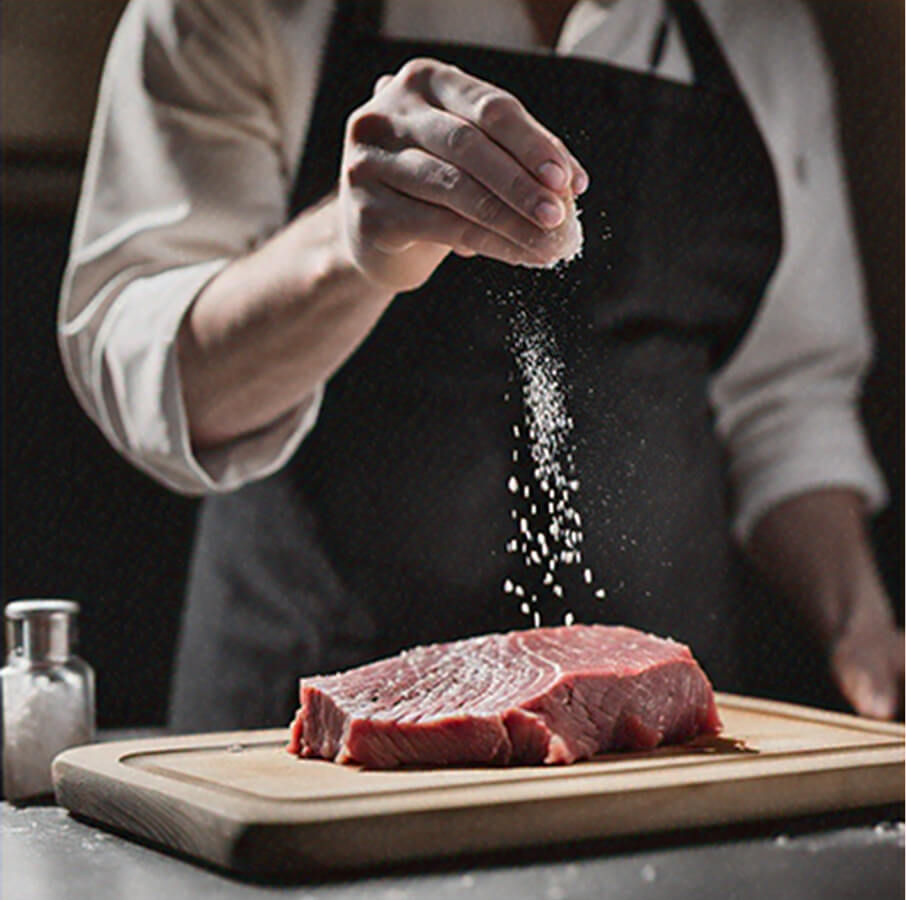
Season every component.
Even though the marinara has plenty of flavor, seasoning the spaghetti squash itself makes a big difference in the finished bowl.
Notes


1
Prep the tomatoes: Remove the stems and cores from the Roma tomatoes and roughly chop them. There is no need to peel the tomatoes or remove all of the seeds.
2
Cook the onion: Heat 1 tablespoon olive oil in a large Dutch oven or deep skillet over medium heat. Add the diced onion with a small pinch of salt. Cook for 5 to 7 minutes until softened and translucent.
3
Add the aromatics: Add the garlic, oregano, black pepper and crushed red pepper. Cook for about 30 seconds, just until fragrant.
4
Caramelize the tomato paste: Stir in the tomato paste and cook for 1 to 2 minutes. Let it darken slightly from bright red to a deeper brick red. This gives the finished sauce a much richer flavor.
5
Add the tomatoes: Add the chopped Roma tomatoes and 1/4 cup chicken broth or water. Season with salt and stir well.
Bring to a gentle simmer. Partially cover and cook for 20 to 30 minutes, stirring occasionally. As the tomatoes soften, use the back of a wooden spoon to help break them down.
6
Blend the marinara: Once the tomatoes are very soft, remove the pot from the heat briefly and use an immersion blender to blend the sauce directly in the pot.
Blend until you reach your preferred consistency. I like to leave just a little texture rather than making it completely smooth.
Return the sauce to a gentle simmer. If it is too thick, add another splash of broth or water.
7
Finish the sauce: Stir in a generous handful of torn fresh basil. Taste and adjust the salt, pepper and red pepper flakes.
If your fresh tomatoes are particularly acidic, add about 1/2 teaspoon honey. You don't necessarily need it, so taste the sauce first.
8
Roast the Spaghetti Squash: Preheat the oven to 425°F. Carefully slice the spaghetti squash in half lengthwise and scoop out the seeds. Lightly spray or rub the cut sides with olive or avocado oil and season with salt and pepper. Place cut side down on a parchment lined baking sheet. Roast for approximately 30 to 40 minutes, depending on the size of your squash. The squash is ready when you can easily scrape it into strands with a fork but it still has some texture. Avoid overcooking it, which can make spaghetti squash watery. Let it cool for a few minutes before scraping it into strands. Season the finished strands with another small pinch of salt and pepper.
9
Make the Bison Meatballs: Combine the bison, egg, Parmesan, gluten free breadcrumbs, fresh herbs, garlic, oregano, salt and pepper in a large bowl. Mix gently until just combined. Avoid overworking the meat because bison is very lean and can become tough if it is handled too much. Form into approximately 12 to 16 meatballs.
10
Sear the meatballs: Heat a thin layer of olive or avocado oil in a large skillet over medium high heat. Add the meatballs and sear for about 1 to 2 minutes per side, turning until several sides have developed a deep golden brown crust. You are not trying to cook the meatballs completely at this point.
11
Deglaze the pan: Optional but highly recommended: add a small splash of broth or water to the hot skillet after removing the meatballs. Scrape up the browned bits from the bottom of the pan and pour the liquid into your marinara.
12
Finish the meatballs in the sauce: Nestle the seared bison meatballs into the gently simmering marinara. Spoon some sauce over the tops. Cover and simmer gently for about 10 minutes. Uncover and continue cooking for another 5 minutes or until the meatballs reach an internal temperature of 160°F.
13
Finish with fresh basil, freshly grated Parmesan, black pepper and crushed red pepper if you like a little heat.
Instructions
8 to 10 Roma tomatoes
1 tablespoon olive oil
1/2 yellow onion finely diced
3 to 4 garlic cloves minced
2 tablespoons tomato paste
1/2 to 1 teaspoon dried oregano
1/2 teaspoon kosher salt plus more to taste
Freshly ground black pepper
Pinch of crushed red pepper flakes
1/4 cup chicken broth or water plus more as needed
1/2 teaspoon honey optional
Large handful fresh basil plus more for serving
Homemade Marinara
1 pound lean ground bison
1 large egg
1/4 cup freshly grated Parmesan
2 to 3 tablespoons gluten free breadcrumbs
2 tablespoons chopped fresh basil or parsley
1 garlic clove minced
1/2 teaspoon dried oregano
3/4 teaspoon kosher salt
Freshly ground black pepper
Olive oil or avocado oil for searing
Bison Meatballs
1 medium spaghetti squash
Olive oil or avocado oil spray
Kosher salt
Freshly ground black pepper
Spaghetti Squash

Spaghetti Squash and Lean Bison Meatballs in Homemade Marinara
Recipe Curator
Sally Rychlak

A lighter take on spaghetti and meatballs made with homemade Roma tomato marinara, lean bison meatballs and roasted spaghetti squash. The meatballs are seared first for extra flavor, then finished right in the sauce. Fresh basil, garlic, oregano and tomato paste make the simple homemade marinara taste like it has been simmering all day.
Servings :
4 Servings
Calories:
400
Prep Time
20 min
Cooking Time
45 min
Rest Time
5 min
Total Time
1 hour 10 min


Comments